Last updated: August 10, 2026
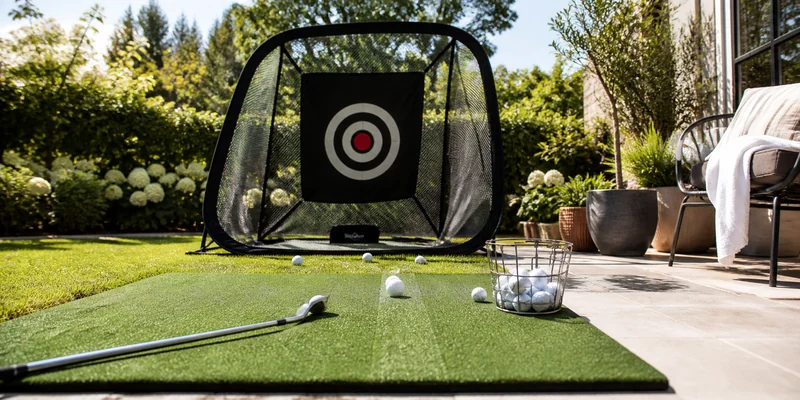
A golf chipping net is the smallest, cheapest, most portable piece of practice gear in golf, and arguably the one with the best payoff per minute. Shots inside 50 yards make up a huge share of scoring, they can be practiced in a backyard or living room, and a target net gives every rep a clear result: in the pocket or not.
Because chipping nets are inexpensive, they are also bought carelessly, and the flimsy ones end up in the garage-sale pile by fall. This guide covers the small design details that separate a net you use daily from one you use twice, plus the models owners keep recommending and the drills that make the net earn its footprint.
This article contains affiliate links. If you buy through them, we may earn a commission at no extra cost to you. Learn more.
Quick Answer
Which golf chipping net should you buy?
- For most golfers, a pop-up chipping net with multiple target pockets from an established brand like GoSports covers everything: backyard reps, indoor foam-ball practice, and travel.
- Look for multiple target zones and a stable base; a net that tips over or offers one giant mouth gets boring fast.
- Chipping nets are for chipping. Full swings belong in a full-size hitting net, which is a different purchase.
What to Check Before You Buy
Chipping nets look interchangeable in photos. These are the details that predict whether one survives a season of daily use.
| What to check | Why it matters | What to look for |
|---|---|---|
| Target design | Targets create games; games create reps | Multiple pockets or zones at different heights rather than one open mouth |
| Stability | A net that tips on a breezy day stops getting set up | A wide base, ground stakes, or a frame that holds shape on grass and carpet |
| Netting quality | Thin mesh sags and tears at the seams first | Tight, springy netting with reinforced stitching around the pockets |
| Fold and setup | Setup friction decides frequency of use | Pop-up designs that twist flat and store in a closet or trunk |
| Size | Bigger is not better for skill-building | A compact face with defined targets beats a large catch-all for focused practice |
| Indoor use | Half of chipping practice happens in winter | A design stable on hard floors, paired with foam practice balls |
If your practice plans go beyond wedges, note the line in the Quick Answer: pitch shots at partial speed are fine into most chipping nets, but full-speed iron and driver work needs a full-size hitting net and the space rules in our safety and space guide.
Why Targets Beat Size
The instinct is to buy the biggest net so nothing gets missed. For chipping, the instinct is backwards. The value of a chipping net is not catching balls, it is giving you a specific landing target, because landing spot control is the skill that transfers to the course. A net with three pockets at different heights and depths turns practice into a game: high pocket with the lob wedge, low pocket with the nine iron, keep score, try to beat yesterday.
That scoring loop is what keeps a net in use. Owners of multi-target nets talk about games and streaks in reviews; owners of single-mouth nets talk about where the net is stored. Buy the one that creates games.
Our Top Picks at a Glance
How we chose: we compared widely available chipping nets on target design, stability, netting durability, and how consistently owners report daily use months after purchase. Selections lean on manufacturer specifications and recurring themes in customer reviews rather than any hands-on trial of our own.
All three set up in under a minute and store flat, so the practice barrier stays as low as the price.
🏆 Best Overall
A chipping net with multiple target pockets and a stable frame, from the brand whose practice gear consistently tops owner-satisfaction lists. The pockets-and-scoring design that keeps reps interesting.

💛 Best Value
A simple pop-up chipping net that twists flat for storage and covers the essential job, a defined target in the yard or living room, at pocket-money cost.

🎯 Also Great
A compact chipping target from a training-gear stalwart, sized for indoor carpet sessions with foam balls as naturally as backyard reps with real ones.

Completing the Indoor Kit
One companion purchase makes a chipping net a year-round tool instead of a summer one.
🟡 Also Great: Foam Practice Balls
Soft practice balls that fly and check believably at chipping speeds while sparing lamps, walls, and windows. The difference between a net that hibernates all winter and one that lives by the couch.
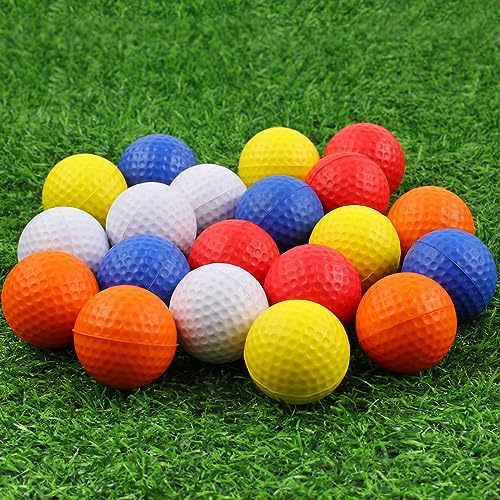
Indoors, place the net against a wall rather than in front of a window, and give yourself a real landing target by aiming at specific pockets. Off carpet, chip from a doormat-sized turf patch or the fringe of a hitting mat so the club interacts with something turf-like instead of pile carpet.
Drills That Make the Net Worth It
A chipping net rewards structure more than volume. A simple session that many golfers use: ten balls to the center pocket from one distance, ten to the high pocket with a more lofted club, ten to the low pocket with a less lofted one, keeping count of makes. The changing targets force you to vary trajectory and carry, which is the actual skill of chipping, rather than grooving one robotic motion.
Move the hitting spot every few rounds, different distances, different lies if you are on grass, and track your score across days. For how a net like this fits into a full weekly rhythm alongside putting and swing work, see our home practice routines.
Backyard, Balcony, or Basement: Where the Net Works Best
Part of the chipping net’s charm is that it moves. Outdoors, set it on grass at varied distances so the club meets real lies, tight, fluffy, and everything between, which is practice a mat can never quite replicate. Give yourself a clear path and keep people and pets behind the hitting position; chips are gentle by golf standards, but the same aiming common sense from our safety and space guide applies in miniature.
Indoors, the net earns its keep in winter. A hallway or basement corner, foam balls, and a turf patch to chip from make a complete station in the footprint of an armchair, and the fold-flat designs stow behind a door between sessions. Golfers in apartments report this is often the only golf practice their floor plan allows, which makes it the highest-value square meter in the home setup.
Common Mistakes to Avoid
- Hitting full shots into a chipping net. The netting and frame are rated for soft, lofted shots. Full swings collapse pop-up frames and punch through mesh.
- Buying one giant mouth instead of targets. Catch-all nets remove the feedback that makes practice useful. Pockets and zones create the game.
- Skipping stakes on breezy days. Light pop-up nets tumble in wind. Stake or weight the base outdoors, or the session ends with a jog.
- Chipping real balls indoors. Even soft chips carry surprising energy off a misread carpet lie. Foam balls indoors; real balls outside.
- Letting it live in the yard. Sun and rain age netting and fade frames. A net that folds flat in seconds deserves the ten-second trip to the garage.
Where to Go From Here
Chipping pairs naturally with putting: chip to the net, then putt out on a backyard putting green, and the whole short game lives in one corner of the yard. When you are ready for full swings, the hitting net guide covers the heavy-duty end of the net market, and the backyard driving range build shows how all the pieces fit together.
Frequently Asked Questions
Can I use a chipping net indoors? Yes, that is half its value. Pair it with foam practice balls, set it against a wall, and winter becomes short-game season.
What is the difference between a chipping net and a hitting net? Scale and rating. Chipping nets are compact targets for soft lofted shots; hitting nets are full-size barriers built for driver-speed impacts. They are complements, not substitutes.
What distance should I chip from? Start close enough to hit pockets consistently, then work back. Varying distance on purpose is the drill, not a fixed magic number.
Do chipping nets work with real golf balls? Outdoors, yes; that is their standard use. Indoors, foam balls are the sensible choice for everything around the net as much as the net itself.
Are chipping nets worth it for low handicappers? A target is a target at any skill level, and the convenience of reps at home is exactly what busy good players lack. The net does not care what you shoot.
The Bottom Line
The best golf chipping net for most golfers is a stable, multi-pocket pop-up from an established brand, used with real balls outside and foam balls inside. Targets beat size, setup speed beats everything, and a simple scored drill turns the net into a daily habit. Few purchases in golf return this much practice for this little money and space.