Last updated: August 10, 2026
The Bushnell Launch Pro exists because of a simple, appealing idea: take the camera technology that made Foresight a fixture in fitting studios and indoor bays, and sell it under a familiar consumer golf brand at a friendlier entry price. The result is a launch monitor that golfers cross-shop against units costing far more, and one that owners talk about primarily in terms of trust: when it reports a number, they believe it.
The complication, and the reason this review exists, is the plan structure. The Launch Pro’s capabilities are governed by software tiers, and understanding what lives at which tier is essential before buying. As always, this is an assessment of specifications and owner feedback patterns, not a hands-on lab test.
This article contains affiliate links. If you buy through them, we may earn a commission at no extra cost to you. Learn more.
Quick Answer
Is the Bushnell Launch Pro worth buying?
- Yes, for indoor-first golfers who prioritize measured ball data: its Foresight camera heritage is generally regarded as a reference point in this tier.
- Read the tier structure first: club data and simulator software connectivity are governed by paid plans, and the hardware price is only part of the story.
- Skip it if you practice mostly outdoors or want a buy-once, no-plan device; radar rivals fit that life better.
Bushnell Launch Pro at a Glance
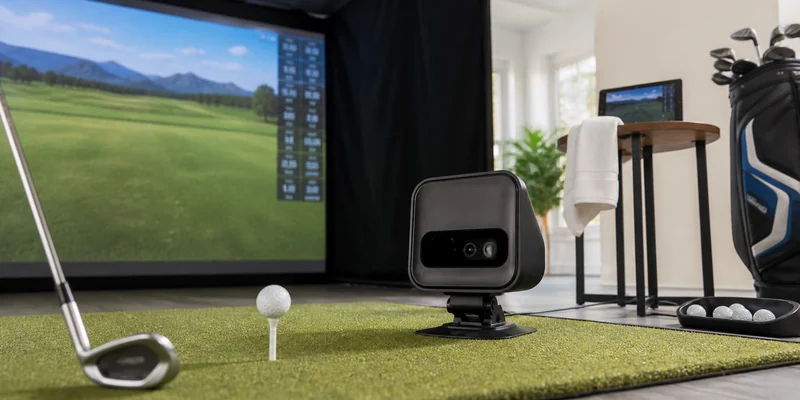
The Launch Pro sits beside the ball, photographs impact with high-speed cameras, and shows results on its own display or connected software.
| Category | What to know |
|---|---|
| Technology | Camera-based photometric measurement from the Foresight family, positioned beside the ball |
| Data reported | Measured ball data as the foundation; club data available with marker stickers and the appropriate plan |
| Subscription | Tiered plans govern features: club data, software connectivity, and simulation options sit at higher tiers, check current terms |
| Simulation | Connects to Foresight’s software ecosystem and supported third-party titles depending on plan; licenses separate |
| Where it works | Excellent indoors by design; usable outdoors with attention to placement and light |
| Space needs | Side placement means less depth behind the ball than radar; check the listed setup distances |
| Ideal for | Indoor bays, golfers who want fitting-adjacent ball data, serious practice rooms |
| Less ideal for | Outdoor-first golfers, plan-averse buyers, casual speed-and-carry users |
What the Launch Pro Gets Right
Credibility at impact is the whole pitch, and it lands. Because the cameras photograph the ball directly, short indoor ball flight costs it nothing, which is why camera units of this lineage anchor so many serious home bays. Owners consistently describe the numbers as steady from session to session, and steadiness is precisely what makes practice data worth collecting. If you want to understand why that matters more than any single accuracy claim, our accuracy explainer makes the case.
The second strength is the ecosystem it borrows. The Launch Pro plugs into Foresight’s software world and, depending on plan, into wider simulator titles, giving it a growth path from practice unit to full bay centerpiece. Side placement also helps in narrow rooms: it needs less depth behind the ball than radar units, a practical win that our room dimensions guide puts into context.
Where the Launch Pro Falls Short
The tier structure is the honest hurdle. The hardware alone does not describe what you are buying: club data needs marker stickers and the right plan, and software connectivity is likewise plan-dependent, so two Launch Pro owners can effectively own different products. None of this is hidden, but golfers who skip the fine print report the most frustration in feedback. Price the plan you actually need before comparing it with anything else.
The second limitation is situational. Outdoors it works, but this is a unit designed around controlled conditions, and radar rivals are simply more at home on a range. Add that the marker stickers are a small ongoing ritual for club data, and the Launch Pro reveals itself as a specialist: brilliant in the indoor role it was built for, ordinary outside it.
How the Launch Pro Compares
Against the Garmin Approach R50, the Launch Pro trades built-in simulation and a touchscreen for measurement pedigree; the Garmin is the more complete single box, the Bushnell the more focused instrument. Against the Square Golf, it is heritage and ecosystem versus a smaller price and a no-subscription app. Against radar like the FlightScope Mevo Plus, the choice is really indoor-first versus outdoor-first. The whole field is ranked in our best golf launch monitor guide.
Check It Out
How we chose: the standard Launch Pro unit is the configuration owner feedback describes; pick your software tier deliberately alongside it.
🥇 The Indoor Ball-Data Benchmark
Foresight camera technology in a consumer package: measured impact data that owners describe as steady session after session, with a plan structure that unlocks club data and simulation as you grow.

Who It Is For, and Who Should Skip It
Buy the Launch Pro if your practice lives indoors, you care about measured ball data more than gadget features, and you are comfortable choosing a plan tier as part of the purchase. It is the natural centerpiece for a garage or basement bay built around trust in the numbers, the kind of build our home simulator guide walks through.
Skip it if you practice mostly outdoors, want one price with no ongoing decisions, or mainly need speed and carry feedback on the range. Radar units serve that golfer better for less total money.
Alternatives Worth Considering
Three directions, depending on which part of the Launch Pro formula gives you pause.
📷 The No-Subscription Camera Rival
A compact camera unit with measured impact data and its own simulator app that runs without a membership; the value counterpunch in the indoor class.
⭐ The All-in-One Premium Option
Camera measurement with a built-in touchscreen and on-device simulation, complete out of the box without tier shopping.

🏆 The Outdoor-First Value Play
Portable radar with a broad data set and no required plan for core numbers, for golfers whose practice lives on the range.

Frequently Asked Questions
Does the Bushnell Launch Pro require a subscription? Its capabilities are governed by tiered plans: club data, software connectivity, and simulation options sit at higher tiers. Check the current tier details before buying, because the right plan depends on how you practice.
Is the Launch Pro good for outdoor use? It works outdoors with careful placement, but it is designed around indoor conditions. Golfers who practice mostly outside are generally better served by radar units built for open space.
Does it measure club data? Yes, with marker stickers on the club face and the appropriate plan tier. Ball data is the foundation of the device and does not need stickers.
What software does it work with? It connects to Foresight’s software ecosystem and, depending on plan, supported third-party simulator titles, with licenses separate. Our software guide maps the landscape.
How much space does it need? Less depth than radar, since it sits beside the ball rather than behind it, but you still need safe swing room; as a common rule of thumb, roughly 9 to 10 foot ceilings for full swings. Check the listed setup distances for the unit itself.
The Bottom Line
The Bushnell Launch Pro brings genuine fitting-room heritage to home practice: measured impact data that owners trust, in a package built for indoor bays. Its tiered plans mean the sticker price is only the opening bid, so choose your tier honestly before comparing. For the indoor-first golfer, it is one of the most credible buys in the category.