Last updated: August 10, 2026
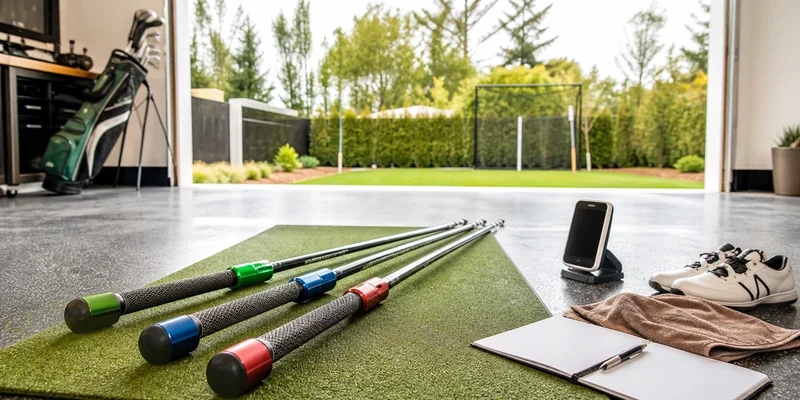
SuperSpeed Golf brought a training concept from other speed sports into mainstream golf: overspeed training, where you swing implements lighter and heavier than your driver to encourage your body to move faster than its usual pattern. The system is a set of counterweighted training sticks in different weights, paired with training protocols the company publishes online at no extra charge. It became a fixture in the distance conversation when a wave of tour professionals began using speed training publicly.
This review explains what the system is designed to do, what the training actually demands of you, and who is better served by a tempo trainer or a simple net-and-monitor setup instead. It is based on the product design, the published protocols, and recurring owner feedback, not a hands-on trial.
This article contains affiliate links. If you buy through them, we may earn a commission at no extra cost to you. Learn more.
Quick Answer
Is SuperSpeed Golf worth buying?
- Yes, for golfers who will genuinely follow the protocol: the three-stick system is a structured, well-documented approach to swing speed training, and the training plans are published free online.
- It is a months-long commitment of multiple short sessions per week with rest days, not a gadget you wave occasionally.
- Results vary by golfer and depend on consistency; treat the company’s speed-gain marketing as a best case, not a promise.
SuperSpeed Golf at a Glance
This is the most program-like product in the swing trainer category, and the table reflects that.
| Category | What to know |
|---|---|
| Type | Overspeed training system for swing speed; no balls are hit |
| Design | Set of counterweighted sticks in multiple weights, lighter and heavier than a driver |
| Designed to promote | Faster swing speed by training the body beyond its habitual pattern |
| Protocols | Structured multi-week training plans published free on the company’s site and app; no subscription required for the core protocols |
| Time demand | Short sessions a few times per week, sustained over months, with rest days built in |
| Ideal for | Distance-focused golfers who like measurable, structured training |
| Less ideal for | Casual practicers, golfers wanting rhythm or strike work, anyone unwilling to track numbers |
What SuperSpeed Gets Right
The structure is the product. Where most trainers hand you an implement and a vibe, SuperSpeed hands you a progression: defined swing counts, defined stick order, defined rest, and defined phases that change as the weeks pass. The protocols are free and detailed, and there is no subscription behind the core training material, which in this era deserves explicit credit. Owner feedback is clear that the golfers who report speed gains are overwhelmingly the ones who followed the plan for months.
The concept also has roots outside golf, since overspeed-style training has long been used in other speed sports. That does not guarantee results for any individual golfer, but it means the system is an application of an established training idea rather than a marketing invention. Measurement closes the loop: sessions are far more motivating with a number to beat, which is where a radar-based launch monitor or the swing-speed readout of our launch monitor numbers guide becomes the natural companion.
Where It Falls Short
The honest catch is adherence. The system only does anything through repeated sessions across months, and a meaningful share of owners quietly stop after the novelty fades. If you know yourself to be a two-week enthusiast, the money is better spent elsewhere. The marketing also leans on best-case numbers; independent experiences are more scattered, with some golfers reporting clear speed increases and others modest or temporary ones. Speed is also not accuracy: swinging faster does nothing for your face control, and some golfers find their ball-striking wobbles while chasing speed.
Finally, the physical load is real. Maximum-effort swings are taxing in a way tempo work is not, and the protocols schedule rest days for a reason. Build up gradually, respect the rest structure, and clear the training with a medical professional first if you have back, shoulder, or hip concerns. This is a fitness product wearing golf clothing, and it should be treated with the same respect.
How It Compares
Against tempo trainers like the Orange Whip, the comparison is apples to oranges: those are rhythm and warm-up tools for everyday use, while SuperSpeed is a training block with a goal and an end state. Against the Rypstick, its closest concept rival, the core overspeed idea is shared and the choice mostly comes down to format and protocol preference. The wider category is mapped in our swing trainer guide, which slots speed systems alongside tempo and release trainers by goal.
Check It Out
How we chose: the standard three-stick training system is the configuration the published protocols are written around and the version nearly all owner feedback concerns.
⚡ The Structured Speed System
Three counterweighted sticks in ascending weights, paired with free published multi-week protocols. Designed to promote faster swing speed through consistent, scheduled training rather than casual swinging.

Who It Is For, and Who Should Skip It
Buy SuperSpeed if distance is your explicit goal, you enjoy structured training with measurable numbers, and you can honestly commit to a few short sessions per week for months. It rewards exactly the personality that keeps a workout log.
Skip it if your practice is casual, your priority is rhythm or contact quality, or your schedule will not sustain the protocol. A tempo trainer such as the one in our Orange Whip review delivers more value per minute for the casual practicer, and golfers with joint or back concerns should get medical clearance before starting any maximum-effort swing program.
Alternatives Worth Considering
Three directions, depending on what you actually want from your practice time.
⚡ Direct Concept Rival
The other established overspeed training stick, built around an adjustable-weight format and its own published training approach.

🏆 Rhythm-First Alternative
The benchmark counterweighted tempo trainer, for golfers who realize their real need is sequencing and warm-up rather than raw speed.

💛 Budget Alternative
The value flexible tempo trainer, a low-cost way to build a daily swing habit before committing to a full speed program.

Frequently Asked Questions
What is SuperSpeed Golf designed to do? It applies overspeed training to golf: swinging lighter and heavier counterweighted sticks in a structured protocol, designed to promote faster swing speed over a training cycle of months.
Do you need a subscription for SuperSpeed? No. The core training protocols are published free on the company’s website and app, which is a genuine point in the system’s favor.
How long until golfers see results? The protocols run in multi-week phases, and owner reports of speed gains cluster among golfers who trained consistently for several months. Results vary by individual, and maintenance work is part of the deal.
Do I need a launch monitor with it? Not strictly, but a swing-speed number transforms the training from faith to feedback. Our launch monitor guide covers affordable radar options that read club and ball speed.
Is overspeed training safe? It involves maximum-effort swings, so the protocols build in rest days and gradual progression. Follow them as written, warm up first, and consult a medical professional beforehand if you have existing back, shoulder, or hip issues.
The Bottom Line
SuperSpeed Golf is the most credible structured route to swing speed training at home: an established training concept, free published protocols, and no subscription behind them. It is also the most demanding product in the trainer aisle, and it returns nothing to golfers who will not sustain the schedule. Buy it as a training program you happen to own sticks for, not as a gadget.